Questions to Ask Before Joining a Beginner Strength Class
A beginner class should make its purpose and support clear before you pay for a long commitment. Older adults vary widely in experience, health and access needs. This guide helps you ask useful questions; it does not prescribe exercises, weights or rehabilitation. Seek appropriate professional advice about medical or mobility concerns before following a new activity plan.
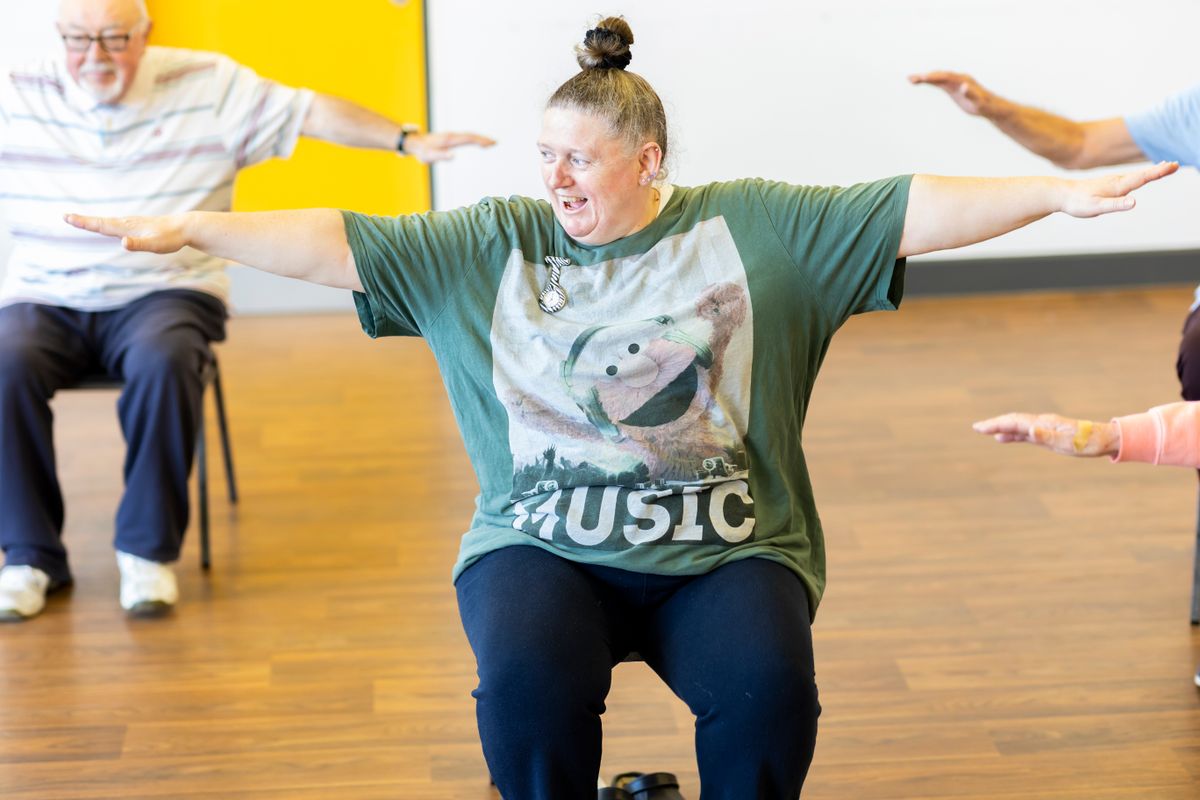
Photo: Pexels · Pexels License. Illustrative photograph of the subject; not a tested result, current condition report or endorsement. Display may crop the original.
Explain your starting point honestly
Tell the provider whether you are new to strength training, returning after a break or seeking a different class environment. You do not need to present yourself as fitter than you feel to deserve instruction. Avoid describing age alone as the complete explanation of your abilities. Mention relevant access needs and ask what information the provider requires. Keep sensitive medical details for an appropriate private conversation rather than a public booking comment.
Ask what beginner means here
A beginner label can describe many different classes. Ask about the session’s pace, equipment, group size and the amount of instruction provided. Find out whether participants learn movements before adding load or complexity. Do not assume an appealing photograph shows the actual class or that every instructor uses the same approach. A clear description is more useful than a promise that anyone can keep up regardless of experience.
Check instructor qualifications and scope
Ask who leads the session and what relevant training or experience they have for the service offered. A general fitness instructor and a clinician providing rehabilitation have different roles. Do not infer clinical expertise from a white coat, a social following or the word specialist without context. If your question concerns a medical condition, ask the appropriate health professional rather than expecting a group instructor to diagnose or clear every concern.
Discuss adaptations before the first session
Ask how the class handles different abilities and whether you can observe or discuss an alternative before attempting an unfamiliar movement. Accessibility includes entry, changing facilities, toilets, seating and transport as well as the exercise space. A provider who offers an adaptation should explain its practical availability rather than simply saying do what you can. This guide does not determine which adaptation is medically suitable for you.
Understand the safety and communication process
Ask how to tell the instructor that something is uncomfortable or unclear and what happens if you need to stop. Concerning symptoms are not a test of commitment. You should not be pressured to match another participant’s weight or range of movement. Find out whether there is a suitable intake process and emergency arrangement. A friendly atmosphere matters, but it does not replace clear procedures or individual advice when required.
Read the cost and commitment terms
Check the price, trial option, cancellation policy and whether special equipment is required. Do not assume a long prepaid package is necessary to prove seriousness. Consider the full access cost, including transport. A class that fits the budget and route may be easier to attend than an attractive option that creates repeated logistical strain. Keep marketing promises about rapid transformation separate from the information needed to decide whether the service is practical.
A hypothetical first enquiry
Imagine an adult interested in a local beginner class. They ask about group size, instruction and accessible entry, explain a relevant limitation privately and consult their clinician about an unresolved health question. They choose a modest introductory option rather than a long package. The example is a purchasing and preparation process, not a medical clearance, an exercise prescription or proof that the provider is suitable for every older participant.
Review the experience after attending
Ask whether instructions were understandable, questions were welcomed and the practical arrangements matched what was promised. Note one issue to clarify before the next session. NIA describes strength training as part of healthy aging, but that does not validate every class or guarantee a particular result. If the experience pressures you to ignore concerns, seek a better arrangement. Progress can begin with finding appropriate instruction rather than performing the most impressive exercise in the room.
Your working checklist
Checkmarks stay in this browser when storage is available. They do not submit information or complete a purchase.
Put it into practice
- Describe your starting point without using age as the only information.
- Ask how the provider defines and teaches a beginner session.
- Check relevant instructor qualifications and their scope of practice.
- Discuss access and adaptations before paying or attending.
- Understand how to ask questions, stop or report a concern.
- Read the full cost and commitment terms.
- Review whether the first experience matches the promised support.
Before you finish
- The class label is not treated as medical clearance.
- No weight or exercise sequence is prescribed by this guide.
- Access needs are checked practically rather than assumed.
- A participant can stop without being shamed for lack of effort.
Common questions
Does older adult mean the class will be easy?
Not necessarily. Ask what the session actually involves and how it is adapted. Age labels do not describe every participant’s experience, abilities or health needs.
Should I choose the class with the fastest transformation promise?
Do not use that promise as evidence of appropriate instruction. Focus on clarity, support, access, realistic expectations and relevant professional advice.
Can a fitness instructor diagnose my pain?
Do not assume that is within their role. Ask an appropriate clinician about a medical concern and keep the instructor informed within a suitable scope.
Must I buy equipment before trying the class?
Ask the provider what is genuinely required and what is supplied. Avoid unnecessary purchases before you understand the format and whether the arrangement suits you.