An Everyday Sun-Protection Bag Beyond Sunscreen
A sun-protection bag is a way to remember the practical items that fit your day. It should not turn a medical risk into a fashion checklist or imply that carrying a product is the same as using it correctly. This original packing framework works alongside current FDA guidance and any individual advice from your clinician.
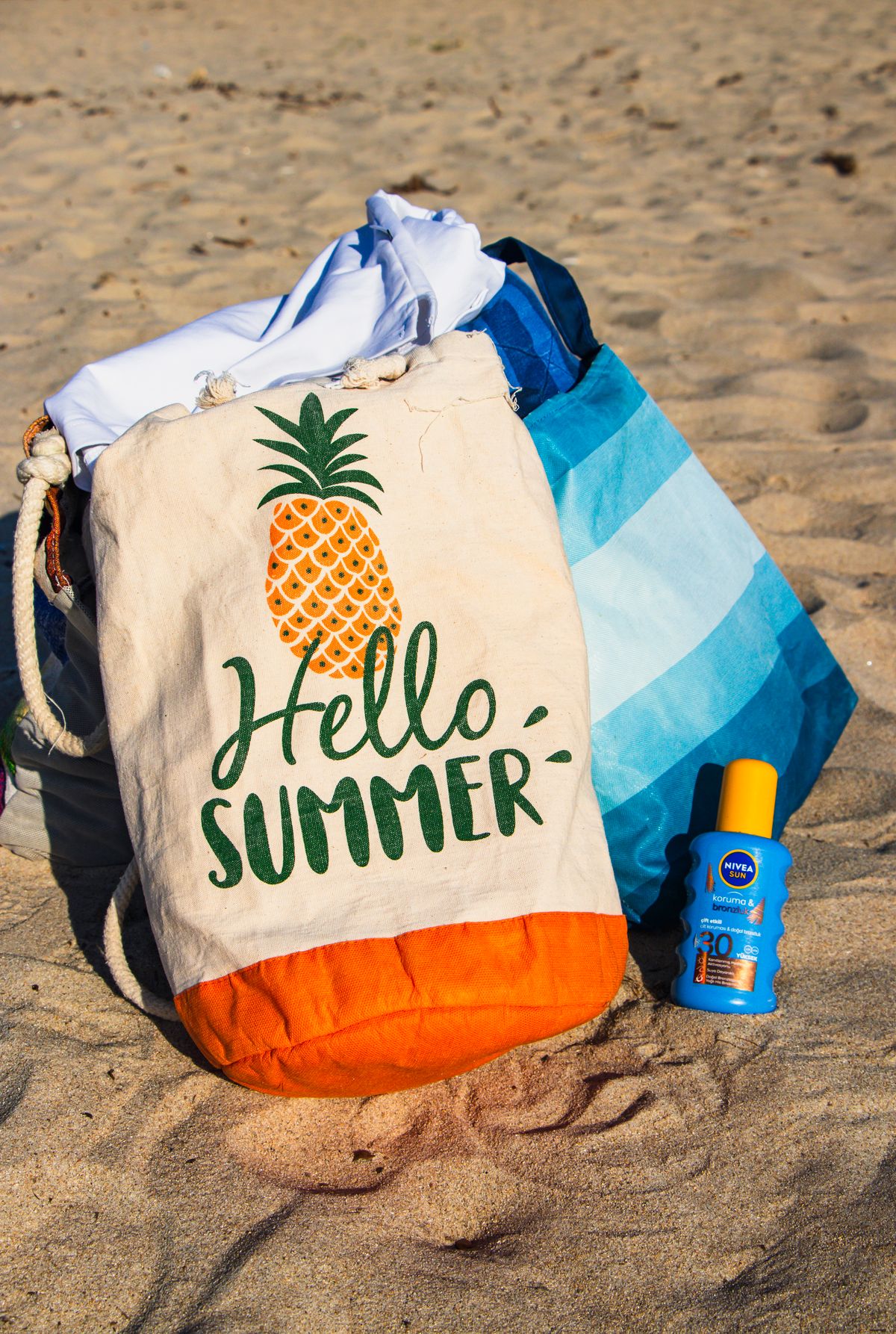
Photo: Pexels · Pexels License. Illustrative photograph of the subject; not a tested result, current condition report or endorsement. Display may crop the original.
Map the exposure in your actual day
Look at the ordinary outdoor periods: walking to transport, waiting outside, lunch in an open area or spending time with children at a park. Do not consider only a beach holiday. Check the facilities and whether shade is realistically available. A plan based on the shortest imagined exposure often fails when a queue or journey takes longer. This exercise helps you prepare; it is not a personalized calculation of how much UV exposure is safe.
Choose coverage you will use
Consider a suitable hat, sunglasses and clothing that provides practical coverage for the activity. Check any stated protective features rather than assuming color or a luxury label establishes performance. Make sure the items fit, stay usable while moving and are comfortable enough to keep wearing. A beautifully packed hat does not help if it is left in the bag because it cannot be carried conveniently once you arrive.
Include a shade decision
Identify where you can pause or choose a less exposed route when practical. A shade plan can be as simple as checking whether the venue has covered seating rather than assuming umbrellas are supplied. Do not treat shade as complete protection or use it to ignore product directions. The point is to combine useful measures rather than asking one bottle to carry the entire plan while every other choice increases exposure.
Pack the sunscreen you understand
Take an appropriate product with readable directions and check that it is in usable condition. Follow storage advice rather than leaving it in excessive heat. Include enough for the intended use without inventing a smaller application to make a travel container last. If decanting obscures essential label information or creates uncertainty about the product, retain the original packaging or another reliable way to keep the complete instructions available.
Plan reapplication practically
Read the actual reapplication directions and consider where you will be when they become relevant. If hands or facilities are needed, think about that before leaving. Set a reminder if it helps, but do not let the reminder replace activity-specific instructions such as those involving swimming or towel drying. A sunscreen plan should remain responsive to what you do, rather than being a fixed clock notification that is followed regardless of the label.
Separate adult and child requirements
Do not assume this adult bag guide supplies suitable directions for every child or infant. Read age-related labeling and seek the appropriate clinical guidance. Keep medicines and small accessories safely stored. If preparing for a group, make clear who is responsible for their own items and who needs assistance. Carrying a communal bottle does not mean every person has been appropriately advised or that one product is suitable for all individual circumstances.
A hypothetical park-afternoon bag
Imagine an adult attending an outdoor gathering. They check the seating arrangement, take a suitable hat and sunglasses, bring their familiar sunscreen in its labeled container and choose clothing that fits the conditions. They know where reapplication can be performed according to directions. The example is about preparation, not a claim that these items eliminate risk or that any duration of unprotected time is harmless before they are used.
Reset after the outing
Check what was actually used and why something stayed in the bag. Replace damaged items, review product condition and improve one awkward storage point. If a hat was constantly left behind, choose a more practical carrying arrangement rather than adding another serum to the kit. Seek professional advice for concerning skin changes or a significant reaction instead of treating the bag as a substitute for care. The useful result is a repeatable protective habit, not a guarantee against visible aging.
Your working checklist
Checkmarks stay in this browser when storage is available. They do not submit information or complete a purchase.
Put it into practice
- Identify the ordinary outdoor periods and likely delays.
- Choose usable coverage items rather than relying on appearance alone.
- Confirm where shade or a less exposed route is available.
- Pack an appropriate sunscreen in a way that preserves its directions.
- Plan label-led reapplication around the actual activity.
- Keep individual adult and child needs distinct.
- Review the kit after use and fix the most practical obstacle.
Before you finish
- The bag supports actual use rather than merely carrying products.
- Storage does not expose sunscreen to conditions contrary to its label.
- Shade and clothing complement rather than erase other directions.
- No adult routine is automatically applied to an infant.
Common questions
Is shade enough on its own?
Do not assume any single measure removes all exposure. Use a combined practical plan and follow current guidance and the sunscreen’s directions.
Can I leave the bag in a hot car?
Read product storage instructions and avoid unsuitable heat. A packed kit is only useful when the products remain in conditions consistent with their directions.
Should I take the same kit for everyone?
Individual needs, ages, product labels and clinical advice can differ. This adult planning guide does not establish one universal product arrangement for an entire family.
Does the kit prevent all signs of aging?
No. It supports sensible preparation and sun-protection habits. It does not promise zero risk, a particular cosmetic outcome or reversal of normal aging.