How to Plan a Realistic Movement Week as You Get Older
A movement plan should support an adult’s abilities and circumstances rather than treat age as either a prohibition or a reason to prove toughness. Start from your current activity and appropriate health advice. This guide organizes a week; it does not prescribe rehabilitation, diagnose limitations or promise to extend life by a particular amount.
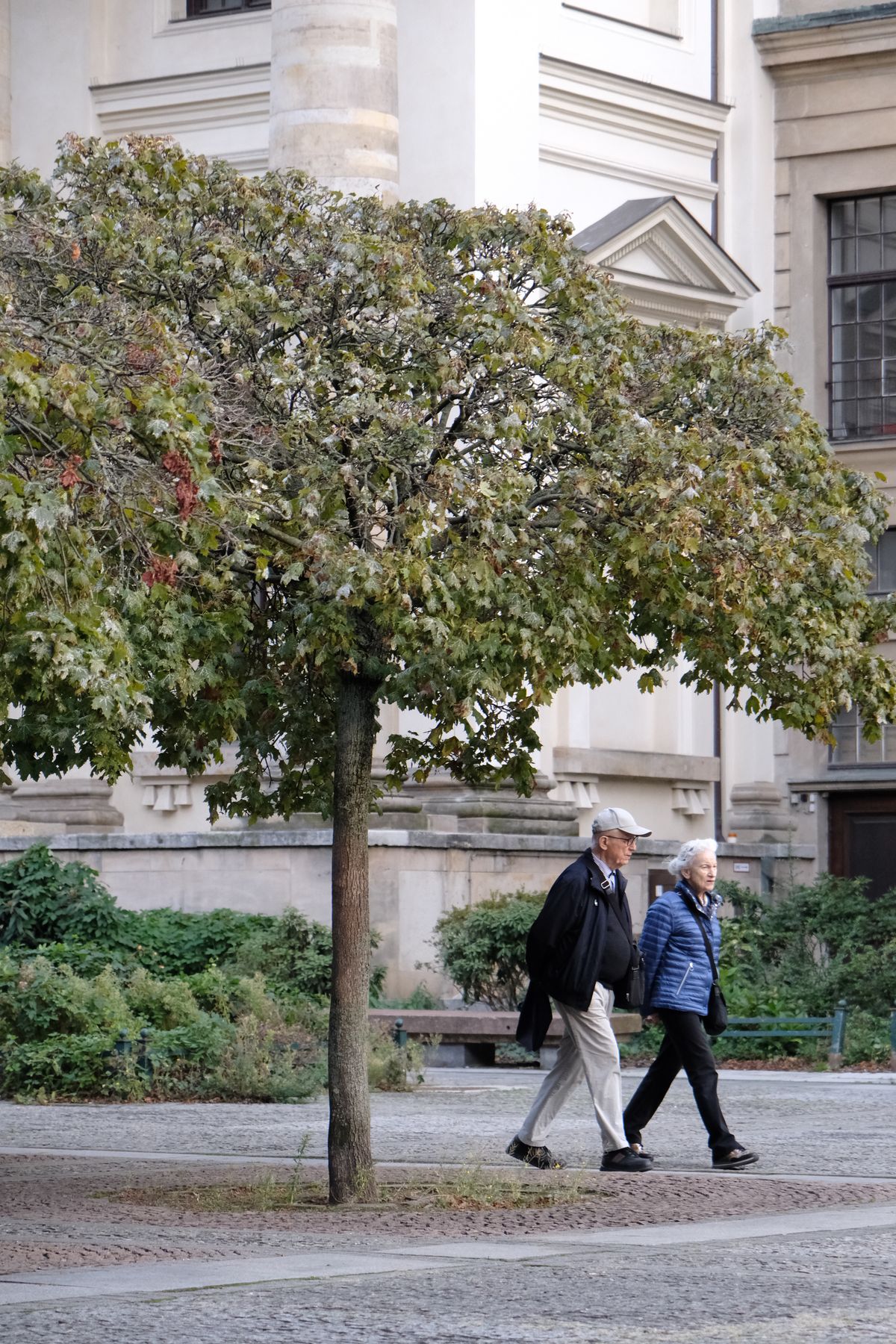
Photo: Pexels · Pexels License. Illustrative photograph of the subject; not a tested result, current condition report or endorsement. Display may crop the original.
Describe the week you actually have
Mark work, caregiving, travel and recovery demands before adding activity blocks. Notice accessible times and places rather than drawing an ideal schedule detached from daily life. Record what movement you already do without claiming every task has the same intensity. A realistic plan can begin with a small repeatable opportunity. The point is to create usable conditions, not prove that a busy person has failed by lacking a perfect exercise calendar.
Use current public-health guidance as a reference
CDC’s older-adult guidance includes aerobic activity, muscle strengthening and balance activity, adapted to abilities and conditions. Read the complete recommendations and ask a professional when you need help applying them. This article does not replace those details with one universal workout. A general goal is different from a personalized starting prescription, especially when someone has a medical condition, recent procedure, significant pain or concerns about falling.
Identify practical access barriers
Check transport, surfaces, seating, weather alternatives and whether a facility can support your needs. Ask about accessibility directly rather than assuming a venue’s senior-friendly label answers every question. A route that looks short on a map may include difficult crossings or uneven ground. If the barrier is practical, solve that before buying equipment. An activity plan is more likely to be usable when the environment fits the person rather than demanding that the person ignore the environment.
Choose activities you can understand
Select familiar options or an appropriately led beginner activity where instruction is available. Do not copy a demanding sequence from an edited video and call it suitable for every older adult. Ask how a class is adapted and what assistance is offered. Keep movement goals separate from cosmetic promises. Exercise can be part of healthy aging without being advertised as a method to reverse biological age or reshape every body in a fixed period.
Make the starting point modest and clear
Choose a realistic initial arrangement within your abilities and relevant advice. The plan should tell you where, when and what type of activity is intended, without forcing an unsafe intensity to complete a box. If a condition limits activity, ask about suitable options. Do not treat pain, dizziness or another concerning symptom as a motivational test. Stop and seek appropriate help when something concerning occurs rather than insisting the schedule must be completed.
Include support and a backup
Ask whether a friend, instructor or accessible indoor option would help the plan continue when conditions change. A backup should serve the same practical aim without pretending every activity is equivalent. If a class is canceled, record that as a scheduling event rather than personal failure. Avoid building a plan that requires another person to be available every day unless they have actually agreed. Clear expectations reduce the chance that support becomes another source of pressure.
A hypothetical first-week map
Imagine an adult who already enjoys short walks and wants a more regular routine. They identify two practical walking opportunities, ask a local beginner class about instruction and accessibility, and discuss any health questions before adding unfamiliar activity. They leave space to adjust. The example is a planning demonstration, not a complete exercise prescription, a guarantee of progress or a claim that this amount meets every individual’s needs.
Review the system, not your worth
At the end of the week, ask which arrangements were usable and what blocked the others. Adjust one barrier, such as timing or transport, instead of increasing everything at once. Keep public-health guidance and professional advice available as the plan develops. A week with interruptions still provides information. Healthy aging is broader than a fitness score, and a movement notebook should support everyday function and participation rather than become evidence in a contest against your age.
Your working checklist
Checkmarks stay in this browser when storage is available. They do not submit information or complete a purchase.
Put it into practice
- Map actual commitments and existing movement before adding new blocks.
- Read the relevant current activity guidance in full.
- Check practical access, transport and environmental barriers.
- Choose understandable activities with suitable instruction where needed.
- Plan a modest starting arrangement within your abilities and advice.
- Arrange an agreed backup or support option.
- Review what worked and adjust the system without transformation claims.
Before you finish
- Discuss any rehabilitation needs or activity restrictions with an appropriate qualified professional.
- Concerning symptoms are not treated as a test of willpower.
- Accessibility has been checked rather than assumed.
- Adapt the week to your own ability, circumstances and appropriate professional guidance.
Common questions
Is walking the only activity worth planning?
No. Read CDC’s complete guidance, including the different types of activity it describes. Seek help adapting a plan to your abilities rather than assuming one activity covers every need.
Should I copy an online workout for older adults?
Check the source, instruction and suitability for your circumstances. A label alone does not establish that a sequence is appropriate for every person.
What if I miss a planned day?
Review the practical cause and adjust the arrangement. An interruption is information, not a reason to compensate with an unsafe session or abandon the entire plan.
Can this guarantee slower aging?
No. It supports practical movement planning within public-health guidance. It does not promise a lifespan result, a biological-age change or a fixed transformation.