How to Compare Sunscreen Labels for Everyday Use
Sunscreen comparison begins with the label, not a photograph of the bottle or a claim that one ingredient makes every alternative unsafe. This guide creates an original side-by-side worksheet for everyday purchasing. It does not rank products from testing, give personalized advice for a skin condition or replace a dermatologist’s recommendation after a procedure.
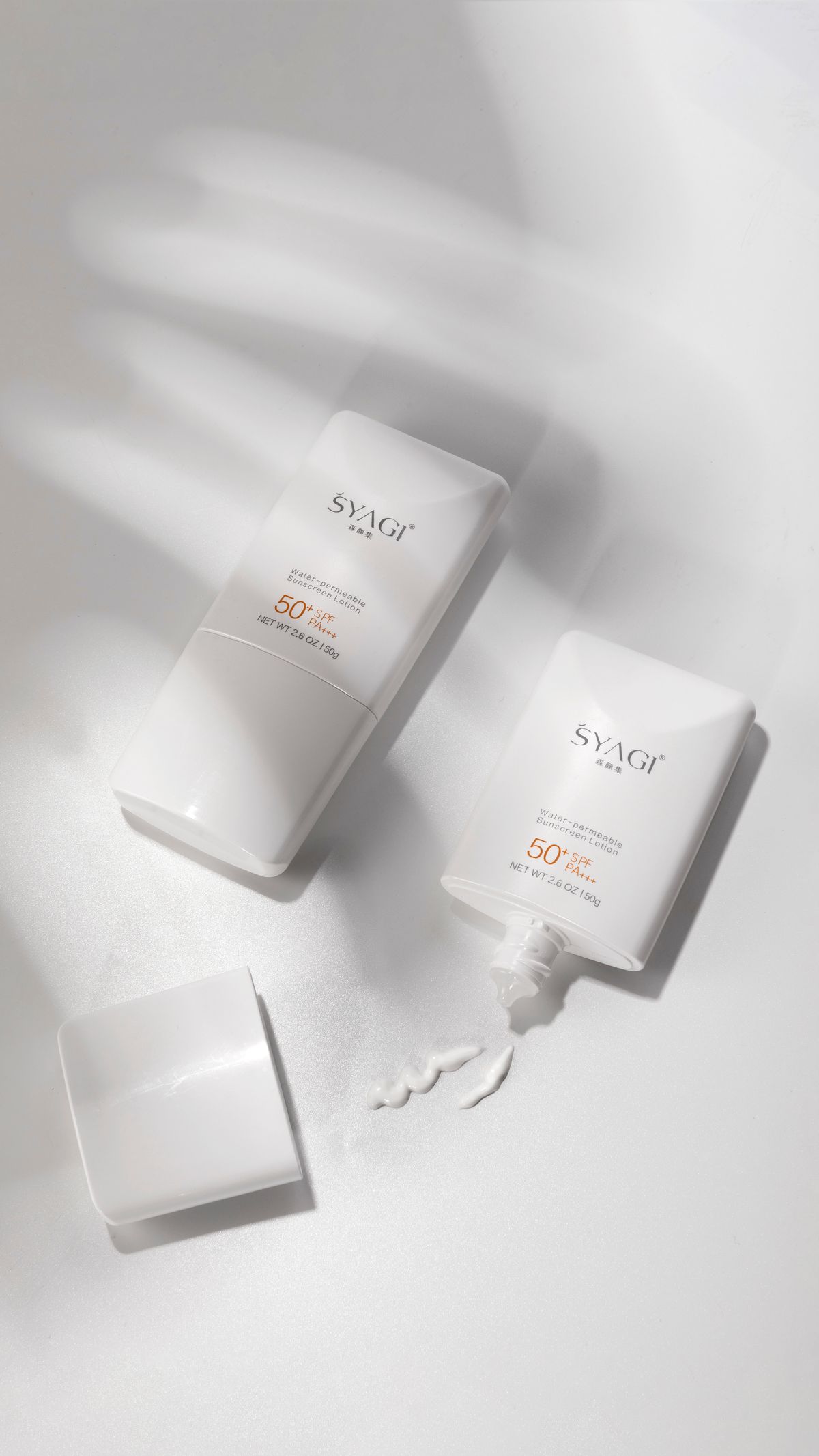
Photo: Pexels · Pexels License. Illustrative photograph of the subject; not a tested result, current condition report or endorsement. Display may crop the original.
Define the use case
Write where and how you expect to use the product: an ordinary outdoor commute, a sweaty activity or time near water. This helps you read relevant directions rather than selecting only by a decorative claim such as urban defense. A separate activity may require a different practical format, but no format removes the need for correct use. Include the other protective measures you can actually use, such as shade and suitable clothing.
Find the protective claims first
Look for broad-spectrum protection, the SPF number and any water-resistance statement. AAD recommends broad-spectrum SPF 30 or higher with water resistance when choosing sunscreen. Record what the package actually states. Do not replace a missing label claim with an influencer’s reassurance. The front-of-pack design can emphasize a cosmetic benefit while the relevant drug facts and directions are elsewhere, so inspect the whole container or the manufacturer’s complete label.
Read water resistance accurately
A water-resistance statement refers to a specified tested interval shown on the label; it is not a claim of being waterproof. Read when reapplication is needed, including after swimming, sweating or towel drying as directed. Do not assume a product remains effective all day because it has a high SPF. Write the actual label interval in your worksheet instead of copying a generic number from another product you used last summer.
Keep directions attached to the comparison
Record application instructions, reapplication language and any warnings relevant to use. A product that you can describe only by its SPF is not fully compared. If choosing a spray, read the handling and inhalation precautions and avoid use near flames as FDA warns. Do not create your own mixture with moisturizer, oils or foundation. The product’s labeled protection is not a promise about an altered formula or an improvised application method.
Assess practical comfort without safety theater
After the label meets your needs, consider whether the texture, fragrance and packaging are usable for you. A product you can apply appropriately and consistently has a practical advantage over one you avoid. This is not evidence that a particular texture is medically superior. If you have a history of reactions, ask a qualified professional for help. Do not use internet ingredient fear lists as a substitute for an assessment of your actual circumstances.
Compare cost on a consistent basis
Use the same volume unit and note the normal purchase price, not only a temporary promotion. A hypothetical bottle costing 12 units for 100 mL has a different unit price from one costing 12 units for 50 mL; those are arithmetic examples, not market prices. Do not stretch a container by using less than directed to make the calculation look favorable. Also check expiry, storage directions and whether the retailer is a reliable source.
A hypothetical two-label decision
Imagine two products with suitable protective claims. One has a texture the buyer dislikes and the other is easier for them to apply according to directions. The buyer verifies the complete labels, compares unit cost and chooses the usable option while retaining a hat and shade plan. The conclusion comes from a purchasing framework, not a laboratory test, a claim of equal performance under every condition or a guarantee that no reaction can occur.
Keep a final purchase receipt
Save the exact product version, label source and date checked. Formulas and packaging can change, so an old review may not describe the current item. Read the new container when repurchasing. If a clinician has given specific advice for a skin condition, medication or procedure, use that advice rather than this general worksheet. The point is to understand and follow the actual product, not to win an argument about the best sunscreen on the internet.
Your working checklist
Checkmarks stay in this browser when storage is available. They do not submit information or complete a purchase.
Put it into practice
- Describe the activity and how the sunscreen will be used.
- Find broad-spectrum, SPF and water-resistance statements on the actual label.
- Read application, reapplication and product-specific warnings in full.
- Compare usable texture and packaging after checking protective claims.
- Calculate price per consistent volume without changing the required amount.
- Check expiry, storage requirements and seller reliability.
- Save the exact version and reread the label when repurchasing.
Before you finish
- Water resistance has not been called waterproof or all-day protection.
- No product is ranked as laboratory tested by this website.
- A high SPF is not used to justify ignoring reapplication directions.
- The comparison preserves the actual label’s warnings.
Common questions
Does a higher SPF mean I can skip reapplying?
No. Follow the actual product’s directions, including reapplication and activity-specific instructions. Do not treat the number as permission to change the method of use.
Can I mix sunscreen into foundation?
Do not assume an improvised mixture provides the labeled protection. Follow the sunscreen directions and ask an appropriate professional about a practical routine if needed.
Are these product rankings?
No. This is a label-comparison method. It does not claim independent performance testing, universal tolerability or a single best formula for everyone.
Should I keep an old review as my only reference?
No. Verify the exact current product and label. A similar name or bottle can describe a changed version, different market or different set of directions.