How to Build an Evening Skin-Care Routine Without Product Overload
An evening routine should help you finish the day with clear, comfortable care rather than another complicated performance. Begin with the products and clinical directions you already have. The framework here simplifies organization and decision-making. It does not prescribe an ingredient combination, a treatment schedule or a universal routine for acne, eczema or another skin condition.
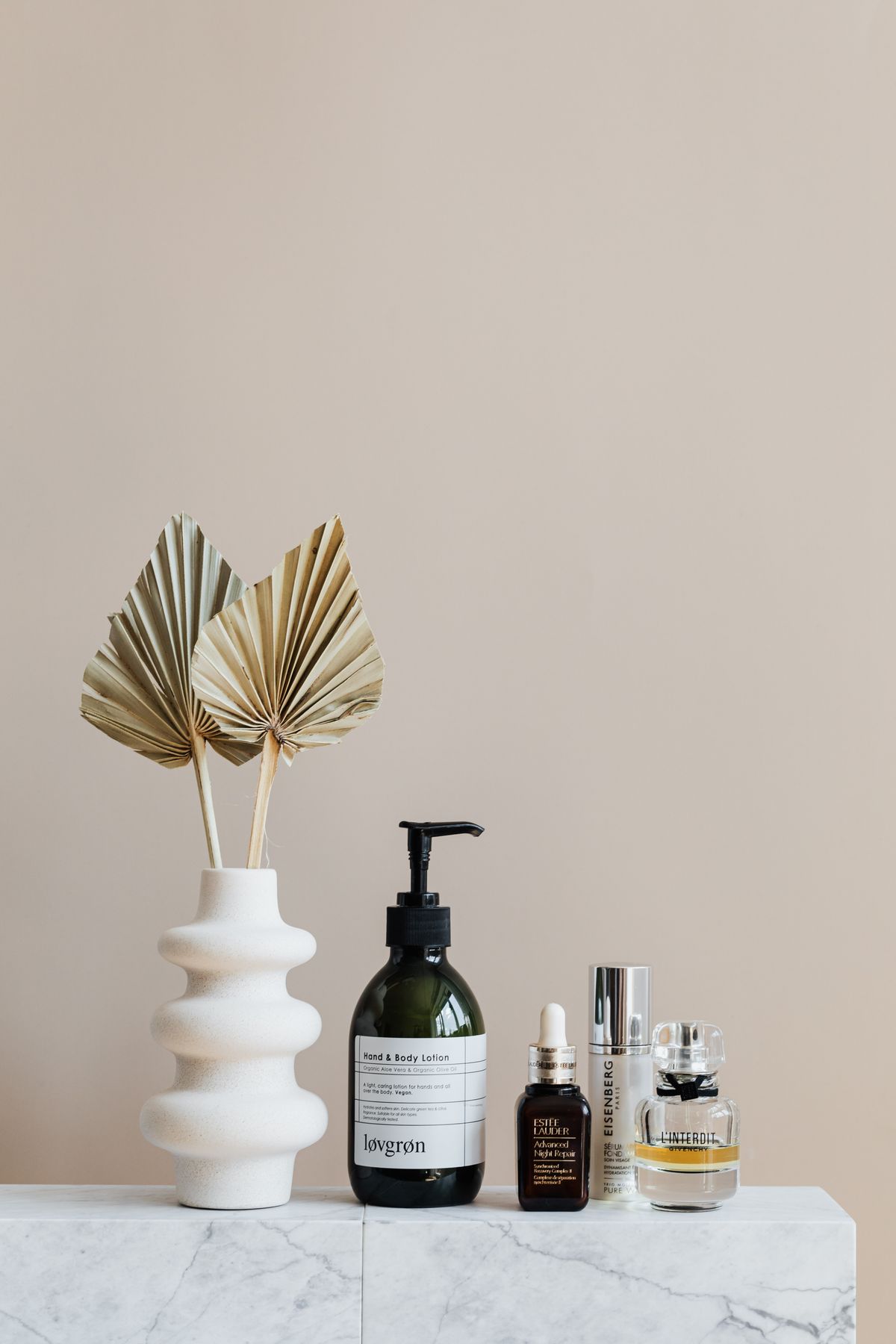
Photo: Pexels · Pexels License. Illustrative photograph of the subject; not a tested result, current condition report or endorsement. Display may crop the original.
Map what is actually on your shelf
Write the name, purpose and directions for every opened facial product. Include makeup removers and prescribed items rather than counting only the attractive serum bottles. Identify products you never use because their role is unclear. Do not decide by bottle size or price. A small container can duplicate the purpose of a larger one, while a simple product you use comfortably may be more valuable to the routine than a dramatic-sounding extra step.
Separate cleansing needs from trends
Consider what you need to remove, such as makeup or sunscreen, and use appropriate products according to their instructions. Do not assume everyone needs a fixed multi-cleanser ritual. Avoid aggressive rubbing to make a routine feel more complete. AAD’s basic face-washing guidance supports gentle handling. If a product is difficult to remove comfortably, review its actual removal directions rather than adding friction or using a household solvent because someone online called it effective.
Keep prescribed care in its own lane
A prescription is not another interchangeable cosmetic layer. Follow the clinician’s directions and ask before combining it with unfamiliar active ingredients. Keep the packaging or a reliable medication list available. If a general online routine gives a different order or frequency, it does not override your individual plan. This article deliberately does not supply a universal retinol, acid or medication schedule because that would conceal meaningful differences between products and people.
Choose a comfortable finishing step
Use a moisturizer appropriate for your skin and its intended application. Assess whether you enjoy the texture, whether the packaging is practical and whether it fits the directions of other care you actually need. More shine or thickness is not proof of better overnight results. If the skin feels persistently itchy, painful or inflamed, seek advice rather than treating every uncomfortable sensation as a necessary renewal process.
Make optional additions genuinely optional
If you are considering another cosmetic product, write the specific question it is meant to address before buying it. Ask whether you can explain its role without repeating the advertisement. Avoid introducing several unfamiliar products together. That makes it harder to identify what caused discomfort or which part of the routine is unnecessary. AAD cautions that multiple anti-aging products can irritate skin; a longer lineup should not be mistaken for more careful care.
Set up an easy closing routine
Keep the familiar products accessible with their labels readable and put used cloths or tools in an appropriate cleaning destination. Avoid keeping so many open products that finishing the routine requires sorting a crowded drawer. If late evenings are difficult, choose a simple preparation cue such as starting the routine before settling down with a book. The cue is an organizational option, not a medical recommendation about an exact clock time.
A hypothetical shelf simplification
Imagine someone with six opened cosmetic products but only two clear goals: removing the day’s products and avoiding an uncomfortable dry feeling. They keep the cleanser and moisturizer they already tolerate, review the directions of a prescribed item separately and pause unnecessary new purchases. They do not discard prescribed care or add stronger ingredients to compensate for fewer steps. The example illustrates a shelf audit, not a tested routine for any particular diagnosis.
Evaluate comfort and clarity
Ask whether each remaining step has an understandable purpose and whether the routine still fits a tiring day. Keep an observation note if a new concern needs discussing, but avoid repeatedly photographing fine lines to judge overnight changes. Skin appearance varies with lighting and other conditions. Seek appropriate professional advice for ongoing symptoms or concerning changes. A useful evening routine can remain simple without promising to erase normal aging while you sleep.
Your working checklist
Checkmarks stay in this browser when storage is available. They do not submit information or complete a purchase.
Put it into practice
- List every opened product, including removers and prescriptions.
- Choose cleansing according to what you actually need to remove.
- Keep prescribed directions unchanged and ask about uncertain combinations.
- Use a familiar appropriate moisturizer where it supports comfort.
- Pause optional additions that have no clear role.
- Arrange the few necessary items so a tired evening remains manageable.
- Review persistent discomfort with a qualified clinician.
Before you finish
- A longer routine is not described as automatically more effective.
- Prescription directions remain separate from generic cosmetic advice.
- No irritating sensation is treated as proof that a product is working.
- Every retained step has an understandable purpose.
Common questions
Must I double cleanse every night?
No universal rule is supplied here. Use appropriate removal and cleansing directions for the products you wear and the needs of your skin.
Should I use every active ingredient on alternate nights?
Do not create a combination schedule from this organization guide. Ask an appropriate clinician about medications or uncertain active-ingredient combinations.
Can I stop a prescribed product while simplifying?
Discuss changes with the prescribing professional. A shelf audit is not permission to alter treatment or replace a medicine with a cosmetic.
What if I am too tired for a long routine?
Remove optional complexity and arrange the necessary familiar steps earlier or more conveniently. Keep required care and seek practical advice if it remains difficult.