How to Pack a Small Skin-Care Travel Kit You Already Know
Travel is a poor moment to discover that every product in a new miniature kit is unfamiliar. Start with the few items you already understand and the requirements of your journey. This guide covers packing and organization, not destination medical advice or current airport liquid allowances. Verify transport rules directly before departure.
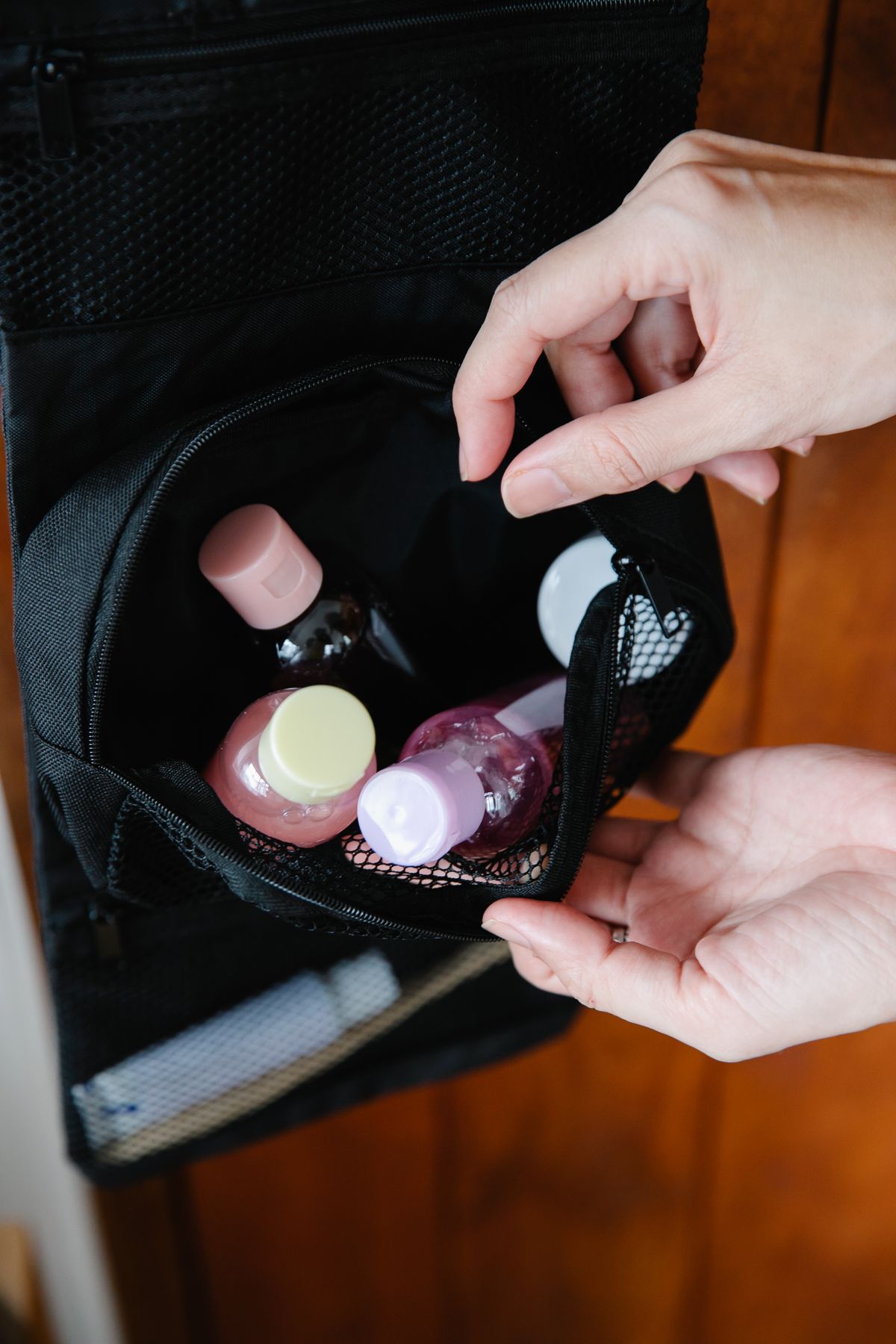
Photo: Pexels · Pexels License. Illustrative photograph of the subject; not a tested result, current condition report or endorsement. Display may crop the original.
List routine jobs rather than bottle categories
Write what you need to do on the trip: appropriate cleansing, comfortable moisturizing, prescribed care and sun protection. Do not assume a travel kit requires a separate toner, essence or mask because a bundle includes them. Match the list to the trip’s length and facilities. If the destination has limited storage or water access, investigate that practical issue rather than filling the case with products that require conditions you will not have.
Keep familiar items as the default
Choose products you already tolerate and know how to use. A holiday is not an independent test of a new active-ingredient lineup. Do not change prescribed treatment to make the packing layout simpler. Ask the care team or pharmacist about travel handling when necessary. A smaller kit should mean fewer unnecessary objects, not missing directions or replacing a medicine with a cosmetic that happens to fit the bag.
Preserve identification and directions
Retain original containers where practical, especially when a product has important warnings or storage requirements. If using a permitted travel container, keep reliable identification and complete directions available rather than labeling several bottles only with initials. Avoid mixing products or topping a container with a different formula. A neat set of identical bottles can create confusion that outweighs its visual appeal, particularly if another adult helps unpack after a long journey.
Check transport rules at the source
Read the current requirements of the relevant airport, carrier or transport authority for your actual journey. Do not use this guide as a statement of liquid allowances or medication documentation rules. Different routes and checkpoints may have different procedures. Make the administrative check before purchasing containers. An attractive travel pouch sold online is not evidence that its contents meet the applicable rules or that a particular exception applies to you.
Plan storage at the destination
Check product directions for heat, light and other handling requirements. FDA’s cosmetics guidance discusses appropriate storage and product condition; do not assume any item can remain indefinitely in a hot vehicle or sunny bag. Keep prescribed medicines within their own requirements. If accommodation arrangements are uncertain, ask a precise question before departure. A refrigerator-shaped minibar label does not establish the temperature or suitability needed by a particular product.
Pack sun protection for the activity
Use the current label and consider clothing and shade at the destination. Do not assume a tiny sample will cover the entire trip without checking realistic use. If buying locally, verify the actual product and directions rather than relying on a familiar-looking name. This article does not evaluate international formulations or provide advice for a medical condition. Keep the outdoor plan practical instead of treating the travel skin-care bag as an all-purpose health kit.
A hypothetical weekend kit
Imagine an adult traveling for a weekend who packs familiar cleanser and moisturizer, required prescribed care and a suitable labeled sunscreen. They verify current transport rules and protect products from unsuitable heat. They leave an unfamiliar multi-step gift set at home. The example shows how a task-based list can reduce clutter; it does not establish specific permitted quantities, equivalence of decanted products or a clinical recommendation for every traveler.
Reset after returning
Unpack promptly and inspect for leaks, damage or uncertainty about what a container holds. Follow product dates and condition guidance rather than automatically returning everything to daily use. Keep a note of a genuine packing problem for the next trip. If a skin reaction occurred, retain the relevant product information and seek appropriate advice. Do not attribute every travel-related change to aging or add stronger products to compensate without understanding the concern.
Your working checklist
Checkmarks stay in this browser when storage is available. They do not submit information or complete a purchase.
Put it into practice
- List the care tasks the trip actually requires.
- Choose familiar products and preserve prescribed directions.
- Keep containers clearly identified without mixing formulas.
- Verify current journey-specific transport rules at official sources.
- Plan destination storage according to the actual product requirements.
- Pack a realistic activity-based sun-protection arrangement.
- Inspect and reset the kit after travel rather than storing uncertain leftovers.
Before you finish
- Verify the current liquid and baggage rules for each airport and airline on your itinerary.
- Required clinical care is not replaced for packing convenience.
- Travel containers remain identifiable with usable directions.
- Products are not left in heat contrary to their instructions.
Common questions
Should I try a new travel-size set?
A familiar minimal routine is easier to understand while away. A travel-size bundle is not automatically suitable just because its products are small and coordinated.
Can this article tell me the current liquid limit?
No. Check the official rules for the actual route and transport system before departure. This guide deliberately avoids a universal allowance that may not apply.
Can I combine products in one bottle?
Do not assume a mixture preserves the original formulas, directions or protection claims. Keep products distinct and identifiable.
What if the product leaks or changes condition?
Do not use an uncertain product merely to avoid waste. Follow its directions and relevant safety guidance, and retain details if a reaction needs assessment.