A Gentle Cold-Weather Routine for Dry-Feeling Skin
A cold-weather routine should respond to comfort without assuming every dry or itchy area is a simple seasonal issue. Start with gentle familiar care and clear product directions. This guide organizes a practical review using AAD dry-skin guidance; it does not diagnose eczema, prescribe medication or promise to restore a younger appearance.
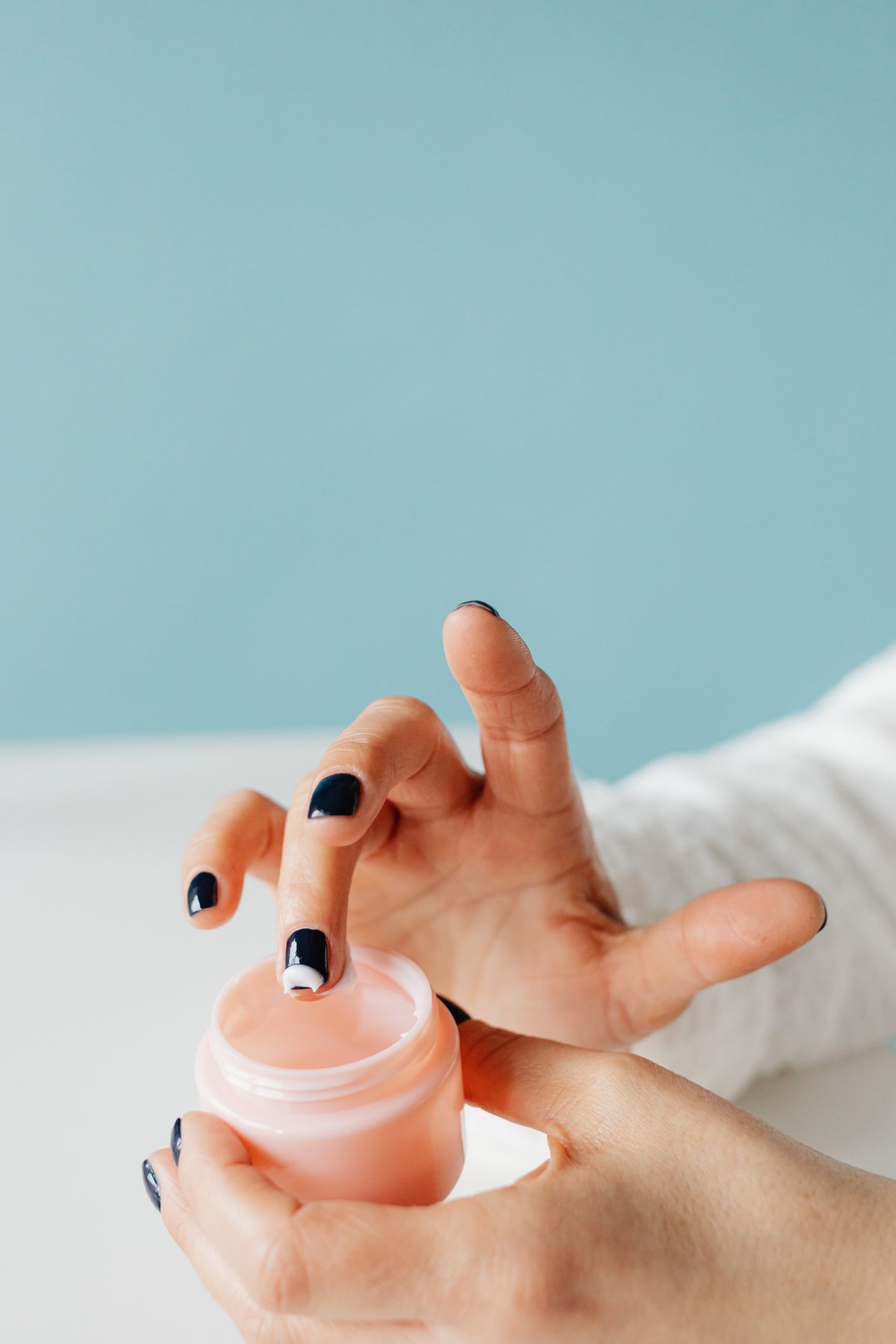
Photo: Pexels · Pexels License. Illustrative photograph of the subject; not a tested result, current condition report or endorsement. Display may crop the original.
Describe the change accurately
Write where the skin feels dry, when you first noticed it and what has changed in the routine or environment. Avoid immediately naming a condition from a social post. A brief factual note is useful if you seek advice. Include new products or washing habits rather than attributing everything to the weather. Persistent itching, cracking, pain or another concerning change deserves appropriate assessment instead of an assumption that winter explains it.
Review washing before adding products
Look at the duration, water temperature and products used during ordinary washing. AAD’s dry-skin guidance favors gentle care and avoiding habits that worsen dryness. Read the complete source rather than converting this article into a rigid bathing prescription. Do not scrub off a dry-feeling surface to make it seem renewed. If a clinician has given a different plan for a condition, follow that guidance rather than a generic seasonal checklist.
Put the moisturizer where the routine happens
Keep an appropriate familiar product accessible near the relevant care point, stored according to its directions and away from children where needed. AAD advises moisturizing while the skin is still damp after washing. The organizational task is to make a suitable habit easy, not to add several products in case one works. If the packaging is difficult to open with wet hands, consider a practical format without losing the product’s identification and warnings.
Choose clothing for comfort
Notice whether a fabric, seam or tight item seems to make an already uncomfortable area harder to tolerate. Do not diagnose an allergy from that observation alone. Choose clothing that feels comfortable and ask for advice if symptoms persist. Keep the practical goal clear: reducing avoidable irritation while understanding the concern. A luxury textile claim or a natural-fiber label is not a guarantee that every person will find the garment comfortable.
Avoid a seasonal active-ingredient overhaul
Do not introduce a scrub, peel, retinol and several new serums together because the season changed. Optional additions can make it harder to understand what is causing discomfort. Keep prescribed care unchanged unless advised otherwise. If a cosmetic product appears to be the problem, stop using it and seek appropriate guidance when needed. A burning or inflamed feeling is not a useful measure of how seriously you are treating aging skin.
Keep sun protection in the day plan
Cold weather does not automatically remove the need to consider outdoor exposure. Use current guidance and the actual sunscreen directions alongside appropriate clothing. Do not infer protection from a cloudy-looking view through the window. This article does not calculate exposure risk for a location or activity. If preparing for snow sports, travel or a medical circumstance, seek the relevant specific advice rather than assuming a general bathroom routine covers every situation.
A hypothetical winter adjustment
Imagine someone who washes their hands often and stores moisturizer in a distant bedroom drawer. They move an appropriate familiar product to a usable care point, review the washing routine and note whether discomfort continues. They do not add a strong exfoliant to remove every visible dry patch. This example concerns accessibility and gentle care; it is not a tested treatment for a diagnosis or a promise that one change resolves every cause of dryness.
Know when to stop self-experimenting
If symptoms are persistent, worsening, painful or otherwise concerning, ask a qualified professional. Bring the product list and a short description of the changes you noticed. Do not spend weeks cycling through products while a problem needs assessment. A seasonal routine review can make everyday care more practical, but it cannot determine the cause of a rash or establish a medical treatment. Comfort and clarity are useful goals without a claim of age reversal.
Your working checklist
Checkmarks stay in this browser when storage is available. They do not submit information or complete a purchase.
Put it into practice
- Describe the concern without assigning an online diagnosis.
- Review ordinary washing habits and gentle-care guidance.
- Place suitable moisturizer where it can be used as directed.
- Notice practical clothing discomfort without assuming an allergy.
- Avoid introducing several optional active products together.
- Keep appropriate sun protection in the outdoor plan.
- Seek assessment when symptoms persist, worsen or cause concern.
Before you finish
- Seasonal timing is not treated as a diagnosis.
- No harsh scrubbing is used to remove uncomfortable dry patches.
- Prescribed care remains separate from cosmetic experimentation.
- The routine has an appropriate point for seeking professional advice.
Common questions
Does winter dryness mean I need exfoliation?
Not automatically. Avoid aggressive treatment of an uncomfortable area. Review gentle care and ask a clinician about persistent or concerning symptoms rather than assuming a peel is the answer.
Is a thicker product always suitable?
Format is one practical consideration, not a diagnosis. Check intended use, comfort and directions, and seek advice when the underlying concern is unclear.
Can I ignore sun protection in cold weather?
Do not use temperature alone as the decision. Consider the outdoor activity and follow current guidance and the actual sunscreen directions.
When should I ask for help?
When the concern persists, worsens, is painful or otherwise worries you. A general seasonal guide cannot assess a rash or replace treatment for a diagnosed condition.